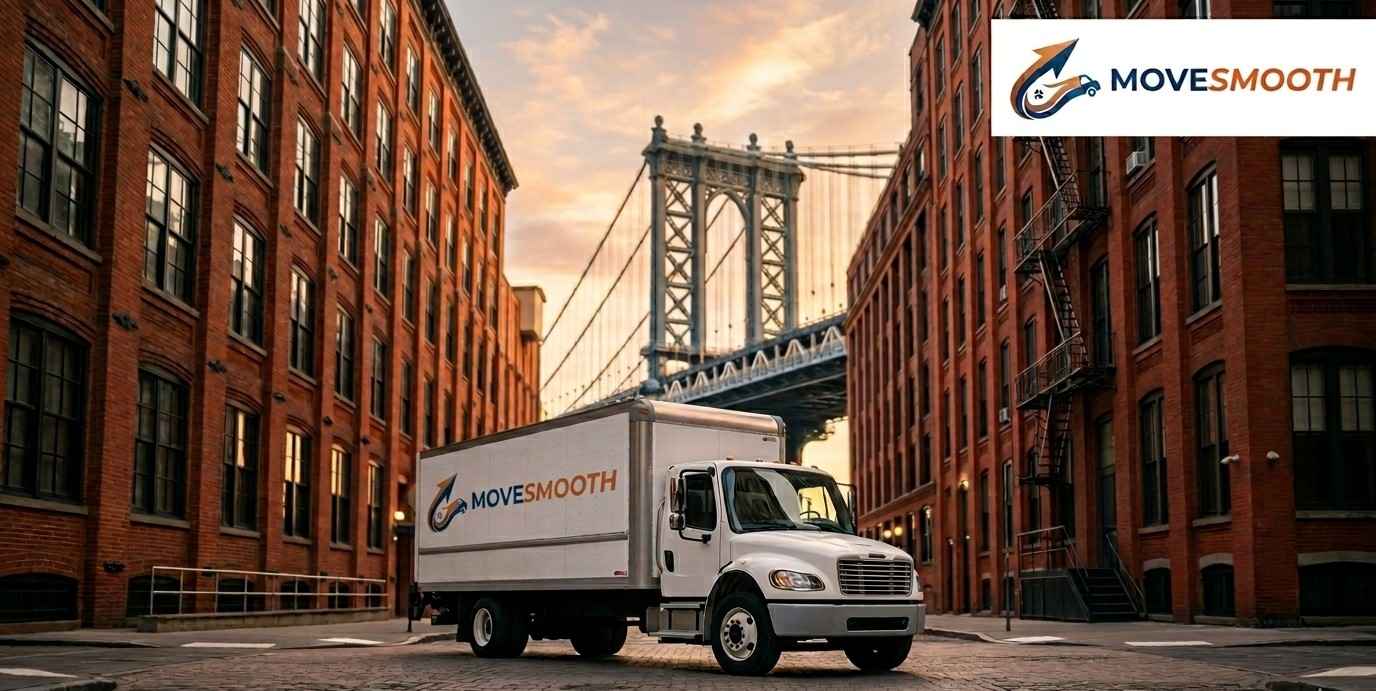
Moving to New York City is more than a simple geographical transition; it is a profound lifestyle acceleration. Anchored by five distinct boroughs, NYC is a massive engine of economic opportunity, artistic expression, and cultural diversity. However, relocating to the most populated and dense city in the United States represents a significant logistical undertaking. The sheer volume of traffic, complex apartment co-op boards, strict building rules, and the rapid pace of daily life can easily overwhelm unprepared movers.
Whether you are a young professional looking to break into the financial sectors of Manhattan, a creative relocating to the artistic communities of Brooklyn, or a family settling into the quiet tree-lined avenues of Queens, this comprehensive guide will give you everything you need to navigate your transition smoothly. From understanding the true cost of living to selecting the right neighborhood, mastering NYC public transit, and executing a flawless apartment move, this is your definitive roadmap for moving to the Big Apple.
1. The Real Cost of Living in New York City
Before packing a single box, you must align your budget with the financial realities of New York City. It is no secret that NYC is one of the most expensive cities in the world. However, understanding exactly where your money goes will allow you to make smart, strategic budgeting decisions.
While rent will consume the largest portion of your monthly income, you will also face elevated costs for groceries, utilities, and entertainment. On the positive side, you will save thousands of dollars annually by not owning a personal vehicle. To give you a clear picture of what to expect, the table below compares standard NYC cost-of-living metrics against the national United States average:
| Expense Category | NYC Average Cost | U.S. National Average | Financial Impact & Strategic Tip |
|---|---|---|---|
| Median 1BR Rent | $3,500 – $4,200 / month | $1,500 / month | High. To qualify for an apartment, NYC landlords require your annual income to be at least 40 times the monthly rent. |
| Monthly Subway Pass | $132 (Unlimited MetroCard) | Varies (Car ownership: $800/mo) | Massive Savings. Selling your car before moving will instantly eliminate insurance, parking, and gas expenses. |
| Average Utility Bill | $180 – $250 / month | $150 / month | Moderate. Steam heating is often included in NYC rent, but summer air conditioning (window AC units) will spike electric bills. |
| Monthly Groceries | $450 – $600 / person | $350 / person | Moderate. Buying from local ethnic markets and Trader Joe's is significantly cheaper than high-end urban grocery chains. |
| Broker Fee (Apartment) | 10% – 15% of annual rent | $0 (Standard application fee) | High. Upfront moving costs can exceed $10,000 when factoring in first month's rent, security deposit, and broker fees. |
2. NYC Neighborhood Matchmaker: Finding Your Borough
New York City is not a single monolith; it is a rich quilt of diverse neighborhoods, each possessing its own unique personality, architectural style, and lifestyle pacing. Finding the neighborhood that matches your personal and professional needs is critical to a happy transition.
To help you navigate this massive geographic choice, the neighborhood matchmaker table below breaks down the five legendary boroughs of New York City:
| Borough | Overall Vibe & Pacing | Top Neighborhoods | Ideal For | Average Rent & Housing Style |
|---|---|---|---|---|
| Manhattan | High-energy, fast-paced, vertical high-rise living, culturally dense | Upper West Side, West Village, Lower East Side, Harlem | Ambitious professionals, nightlife seekers, museum lovers | High ($3,800+). Primarily multi-family high-rise apartments and historic walk-ups. |
| Brooklyn | Trendy, artistic, neighborhood-centric, historic brownstones | Williamsburg, Park Slope, Brooklyn Heights, Bushwick | Creatives, young families, hybrid workers, foodies | Moderate-High ($3,200+). Mix of luxury waterfront towers, historic brownstones, and industrial lofts. |
| Queens | Globally diverse, suburban pockets, tight-knit communities, industrial hubs | Astoria, Forest Hills, Long Island City, Sunnyside | Families, budget-conscious movers, food enthusiasts | Moderate ($2,600+). Diverse mix of high-rise towers, multi-family homes, and quiet suburban estates. |
| The Bronx | Culturally rich, active community parks, historic botanical centers | Riverdale, Pelham Parkway, Mott Haven | Budget movers, commuters, medical professionals | Budget-Friendly ($1,800+). Brick apartment complexes, pre-war co-ops, and multi-family homes. |
| Staten Island | Quiet, highly suburban, maritime feel, green spaces | St. George, Todt Hill, Great Kills | Families, retirees, municipal workers | Affordable ($1,600+). Single-family detached homes with backyards and spacious townhomes. |
3. Crucial Logistics: Certificate of Insurance (COI) & Building Rules
The physical process of moving into an NYC apartment is heavily governed by strict regulations designed to protect high-density buildings from damage. Failing to comply with these rules can result in your moving truck being turned away on moving day.
The Almighty COI (Certificate of Insurance)
Nearly every managed residential building, condominium, and co-op in New York City requires your moving company to provide a formal Certificate of Insurance (COI) before they are allowed to carry furniture through the doors. The COI is a legal document proving that the moving carrier holds comprehensive liability and workers' compensation insurance.
- The Rule: A standard building requires a minimum of $1 million to $2 million in general liability coverage.
- Action Item: Get the exact wording requirements (e.g. the legal names of the building owner and management company) from your landlord at least one week in advance and send them directly to your vetted moving company to generate the COI.
Elevator Reservations & Loading Dock Bookings
If your building has an elevator, do not assume you can use it freely on moving day. Most high-rise buildings require you to reserve the freight elevator in advance.
- The Rule: Buildings typically allocate a strict 2 to 3-hour moving window (e.g. Tuesday from 10:00 AM to 1:00 PM) to minimize elevator blockages for other tenants.
- Action Item: Book your elevator slot with the building superintendent or manager at least 3 weeks in advance, and ensure your movers arrive precisely on time to maximize your allotted slot.
Planning your NYC apartment relocation? Compare hourly and flat rates from the best vetted, licensed movers in New York City. Save time and avoid moving-day surprises!
Get Free Estimates4. Packing and Transit: Surviving NYC Moving Day
Successfully executing an NYC moving day requires smart packing strategies and a clear understanding of local parking laws.
The Walk-Up Factor & Box Sizing
If you are moving into a classic pre-war walk-up apartment (buildings without elevators), every box must be carried up narrow, winding flights of stairs.
- Tip: Pack your items in small, sturdy boxes rather than massive, heavy cartons. Small boxes are significantly easier to carry up tight stairwells and reduce the risk of dropping fragile goods.
- Color Code by Room: Clearly label and color-code every box on all sides. This helps your moving crew deposit boxes in their correct rooms immediately, preventing traffic jams inside your apartment.
Navigating NYC Parking Laws & Moving Truck Permits
New York City street parking is notoriously difficult. Double-parking a large moving truck on busy residential avenues can lead to expensive traffic tickets, but parking blocks away triggers expensive "long-carry" fees from your movers.
- Tip: Vetted NYC moving companies are highly skilled at managing parking logistics. Some companies will secure official temporary parking permits from the city, while others utilize dedicated drivers who remain with the truck to move it if traffic flow is blocked. Always discuss parking access with your mover during the quoting phase.
5. Master the Transition: Settling into Your New City
Once the boxes are unloaded, your next challenge is establishing your daily routine in the city.
- Ditch the Car immediately: Navigating NYC is infinitely faster, cheaper, and safer using the MTA subway and bus network. Download transit navigation apps like Citymapper or Google Maps to map out your daily commute.
- Set up a Broker and Apartment Search early: Standard rental apartments in NYC move extremely fast. Be prepared to sign a lease within 24 hours of viewing a unit, and have your financial documents (pay stubs, tax returns, bank statements) ready in a digital PDF folder.
- Explore Your Micro-Neighborhood: NYC is defined by its micro-communities. Find your local laundromat, identify the nearest bodega (corner store) for quick essentials, locate your local supermarket, and introduce yourself to your building superintendent. A positive relationship with your super is the single best way to ensure quick plumbing and appliance repairs.
Conclusion: Embodying the Spirit of New York
Moving to New York City is an ambitious, life-changing decision. While the city's complex logistics and fast pacing present real challenges, the rewards of building a life in the world's most dynamic metropolitan hub are unmatched. By preparing your budget, mastering building rules like the COI, choosing the neighborhood that matches your pacing, and partnering with verified, licensed moving professionals, you can transition into your new home with absolute confidence.
Welcome to the ultimate city — your new chapter starts today.
Ready to find the best verified movers in New York? Compare quotes from top-rated, licensed CA-T and NYSDOT moving professionals. Secure your binding rate and save up to 40% on your moving costs today!
Get Free Estimates