Relocating from one apartment to another represents a specific logistical puzzle that differs significantly from a standard single-family home move. Apartment moves are defined by vertical challenges, narrow corridors, strict building association rules, and tight neighborhood parking spaces. Whether you are shifting into a classic multi-story city walk-up or a state-of-the-art urban high-rise tower, executing a stress-free apartment relocation demands absolute preparation, systematic packing, and a thorough understanding of building logistics.
Without a detailed plan, minor bottlenecks—such as a building manager rejecting a moving company due to a missing Certificate of Insurance (COI) or losing your booked elevator slot—can quickly turn your moving day into an expensive nightmare. This comprehensive apartment moving guide provides you with a highly practical timeline, detailed building checklists, expert packing hacks, and dynamic box counts to ensure your next apartment transition is executed with absolute ease.
1. The Step-by-Step Apartment Moving Timeline
A stress-free apartment move starts weeks before the moving truck arrives. Dividing your tasks into organized weekly phases will keep you on track and prevent the dreaded last-minute packing panic.
8 Weeks Before: Planning & Research Phase
- Inspect Your Current Lease: Verify the exact lease end date and check your landlord's notice period policy. Most apartment complexes require a formal written 60-day notice before you vacate.
- Determine Your Moving Scope: Assess the total volume of your belongings. Decide whether you will handle packing yourself or hire a professional full-service moving company to pack, load, and transport your goods.
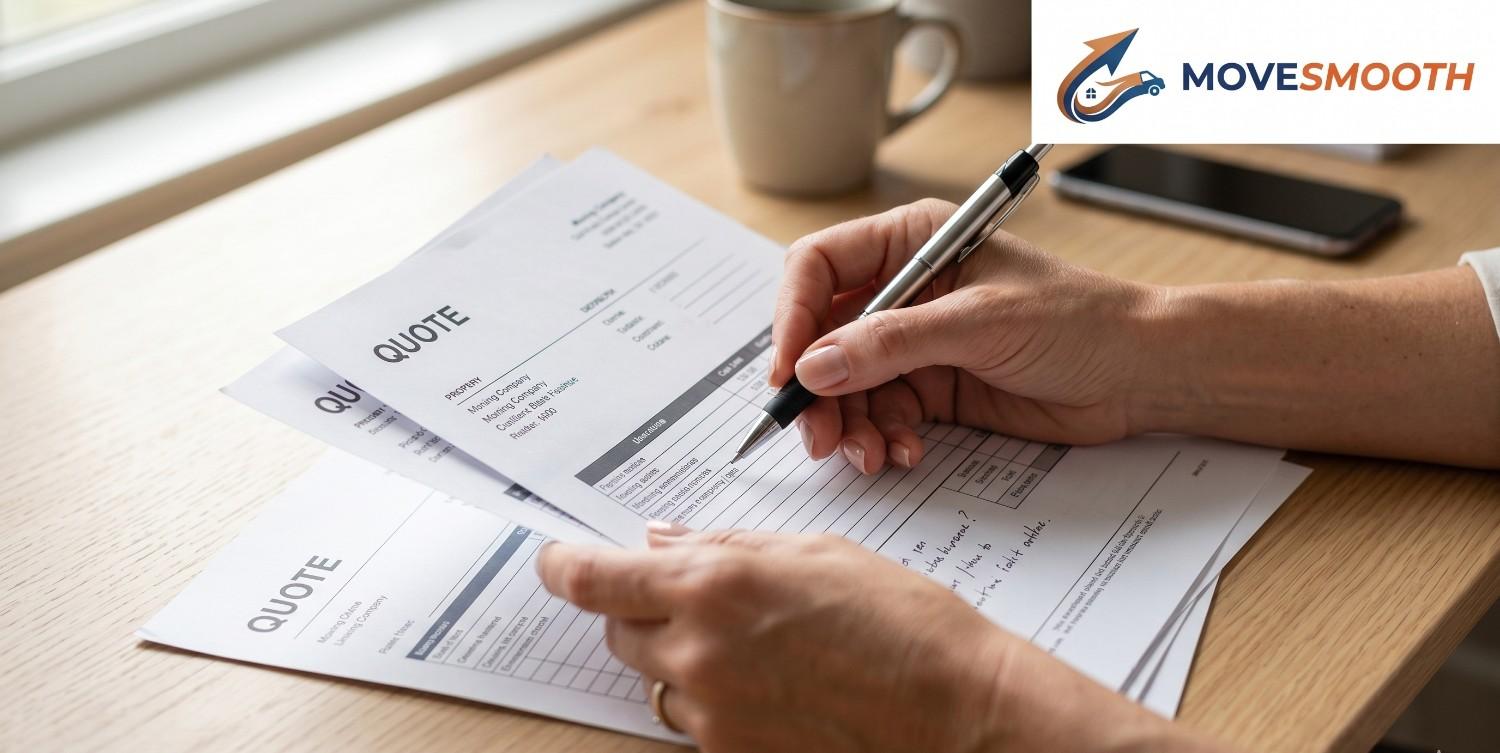
- Secure Moving Quotes: Research highly-rated, licensed moving companies. Request detailed written binding estimates from at least 3 vetted carriers to lock in transparent rates.
6 Weeks Before: Decluttering & Packing Material Gathering
- Declutter Systematically: Every items you discard is an item you do not have to pay to pack and carry up stairs. Sort your belongings into three distinct categories: Keep, Donate, and Discard. Host a garage sale or list items on online marketplaces (like Facebook Marketplace or Nextdoor).
- Collect Professional Packing Supplies: Gather heavy-duty cardboard boxes, bubble wrap, packing paper, double-walled wardrobe boxes, and high-strength packing tape.
- Confirm Building Transfer Dates: Coordinate with the managers of both your current and future buildings to confirm moving day schedules and inquire about any specific elevator rules or permit needs.
4 Weeks Before: Utility Notification & Logistics Setup
- Request Building COIs: Send the exact Certificate of Insurance (COI) requirements of your new building to your selected moving company to generate the official document.
- Reserve Building Elevators: Book your 2 to 3-hour freight elevator slots at both buildings.
- Notify Utility Providers: Schedule the disconnection of internet, cable, electricity, and gas services at your current apartment for the day after your move, and schedule connections at your new apartment for the day before your arrival.
- File Official Change of Address: Update your mailing address with the United States Postal Service (USPS) and update billing addresses on all bank and credit card accounts.
2 Weeks Before: Active Packing & Essentials Preparation
- Pack Non-Essentials first: Begin packing seasonal clothing, decorative home items, books, and extra kitchenware. Label every box on multiple sides with the designated room name and a brief contents summary.
- Measure Large Furniture: Double-check the width of your largest couches, tables, and bed frames. Compare these measurements against the door frames, tight hallway turns, and elevator dimensions of both buildings to ensure fit.
- Create an Essentials Box: Pack a dedicated box containing items you will need immediately upon arrival. This should include toiletries, toilet paper, chargers, basic tools, a change of clothes, and essential medication.
Moving Day: Execution & Site Coordination
- Protect Hallways & Floors: Ensure your movers lay down protective masonite sheets and corner guards along the building hallways to prevent property damage.
- Conduct Final Walkthrough: Once the truck is loaded, double-check every closet, cabinet, and storage nook to ensure no items are left behind.
- Hand Over Keys & document Utilities: Take photos of gas and electric meters, lock the apartment door, and hand the keys directly to your building manager.
Moving to a Brooklyn Brownstone or Walk-Up? Connect with certified local movers who specialize in navigating narrow stairwells and tight Brooklyn blocks safely. Get your free quotes today!
Get Free Estimates2. Building Manager Rules & Compliance Checklist
Managed apartment complexes and condominiums enforce strict operational policies to protect common areas and maintain building safety. The table below represents your essential compliance checklist before booking your moving day:
| Compliance Category | Standard Building Requirement | Logistical Impact & Strategic Tip |
|---|---|---|
| Certificate of Insurance (COI) | Must name the management company and owner as additionally insured. | Mandatory. Your moving company must hold active liability coverage (typically $1M–$2M) and send the COI to the building office at least 5 business days in advance. |
| Freight Elevator Reservation | Booked in strict 2 to 3-hour blocks (e.g. 9:00 AM – 12:00 PM). | Crucial. Standard passenger elevators cannot be used for furniture. If you miss your booked window, the building super can legally lock the freight elevator. |
| Hallway & Wall Protection | Movers must use masonite floor wraps and padded cardboard door guards. | Highly Enforced. Managed high-rises enforce strict property protection policies. Any damage to paint, trim, or flooring will be deducted from your security deposit. |
| Moving Day Time Limits | Work is typically restricted to Monday–Friday, 9:00 AM – 5:00 PM. | Plan Around Restrictions. Most NYC and urban high-rise buildings strictly prohibit moves on weekends and official national holidays to avoid disturbing other tenants. |
| Trash & Box Disposal | All empty cardboard boxes must be flattened and placed in designated recycling bins. | Avoid Violations. Leaving trash or piles of empty moving boxes in public hallways or residential trash chutes can result in building fines ($100–$250). |
3. Box Count Calculator: Estimating Your Packing Supplies
Underestimating the volume of packing supplies you need is a common moving mistake. Running out of boxes mid-pack causes unnecessary delays and forces you to purchase expensive, last-minute materials.
To help you secure the perfect amount of packing supplies, the box count guide table below estimates material requirements based on the size of your apartment:
| Apartment Size | Small Box Estimate (1.5 cu. ft.) | Medium Box Estimate (3.0 cu. ft.) | Large Box Estimate (4.5 cu. ft.) | Wardrobe Box Count (with hanger bar) | Tape Roll Count & Packing Paper Weight |
|---|---|---|---|---|---|
| Studio Apartment | 15 – 20 | 10 – 15 | 5 – 8 | 2 | 2 rolls / 10 lbs of paper |
| 1-Bedroom Apartment | 25 – 30 | 20 – 25 | 10 – 12 | 3 | 4 rolls / 15 lbs of paper |
| 2-Bedroom Apartment | 35 – 45 | 30 – 35 | 15 – 18 | 4 – 5 | 6 rolls / 25 lbs of paper |
| 3-Bedroom Apartment | 50 – 60 | 45 – 50 | 20 – 25 | 6 | 8 rolls / 40 lbs of paper |
Note: Small boxes are ideal for heavy items like books, dishes, and pantry goods. Medium boxes are perfect for toys, electronics, and clothing, while large boxes should be reserved for lightweight, bulky items like pillows, blankets, and comforters.
4. Pro Shifting Hacks for Tight Walk-Ups and High-Rises
Mastering the physics of apartment shifting requires leveraging specialized local tips:
- Taping Drawers Shut (With Care): Keep lightweight clothing inside dresser drawers to save box space and speed up packing. However, do not use packing tape directly on finished wood furniture, as the adhesive will ruin the finish. Wrap the entire dresser with professional stretch plastic wrap instead.
- The Wardrobe Trash Bag Trick: If you are packing on a budget, keep your clothes on their hangers, bundle them in groups of 10, and slide a clean, heavy-duty trash bag over them from the bottom up, securing the hangers at the top. This acts as an instant, affordable garment bag.
- Utilize Rolling Suitcases: Pack heavy items—especially books, documents, and dense electronics—inside your rolling carry-on suitcases. The built-in wheels make it incredibly easy to transport heavy loads along long corridors and down ramps.
- Pre-Disassemble Large Furniture: Remove dining table legs, take apart bed frames, and detach mirrors from dressers the night before moving day. Pre-disassembling your largest furniture allows your movers to load the truck instantly and prevents damage inside tight elevator cabs.
Conclusion: A Smooth Transition to Your New Space
Relocating between apartments presents real logistical challenges, but executing a smooth, stress-free move is entirely achievable through systematic planning. By reserving your elevator windows early, coordinating building manager compliance like the COI, estimating your packing supplies accurately, and partnering with verified, licensed moving professionals, you can protect your security deposit and enjoy a seamless transition into your new home.
Planning your next apartment move? Compare competitive rates from vetted, licensed moving professionals in New York. Secure your free binding quote and save up to 40% today!
Get Free Estimates