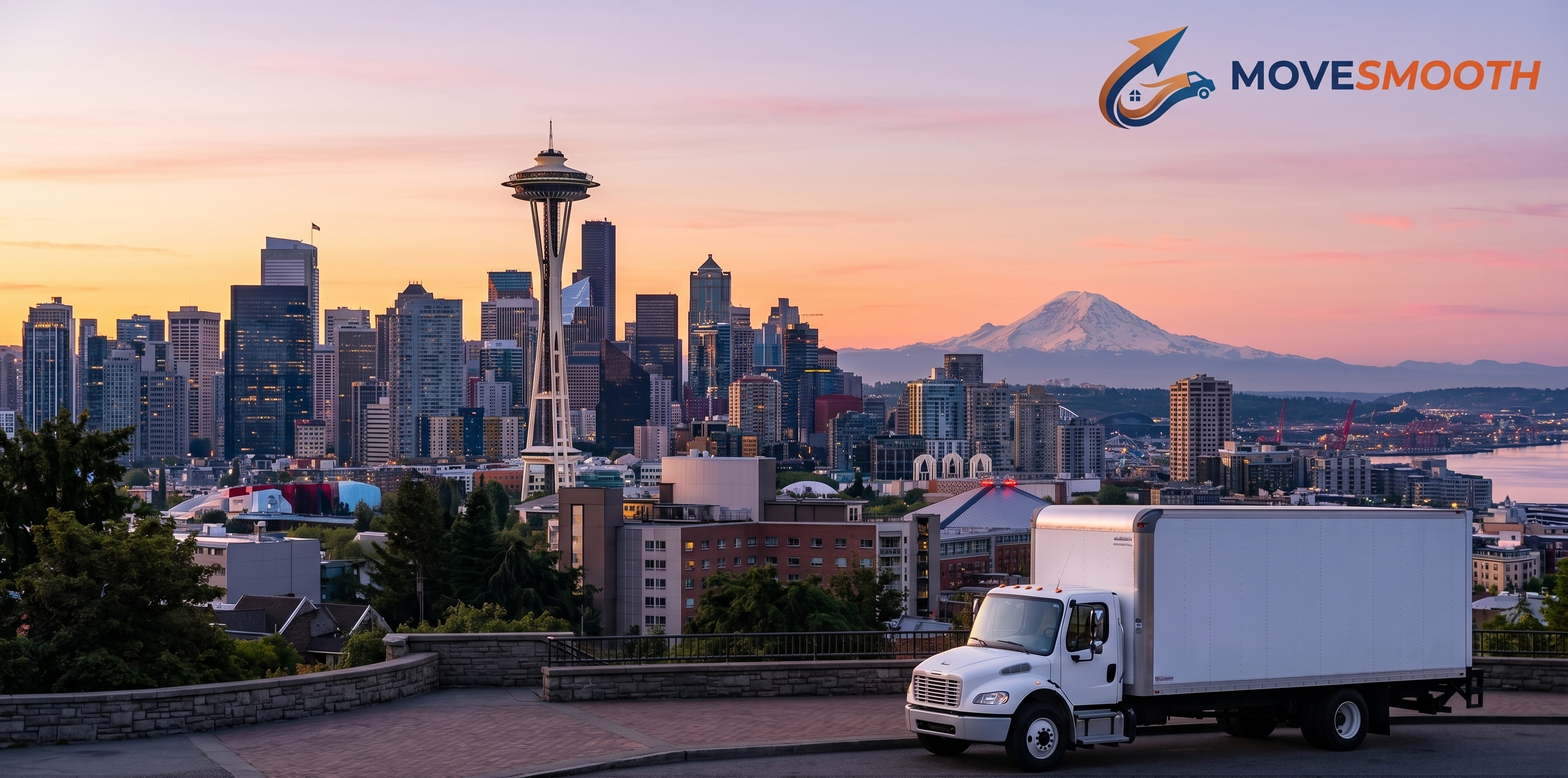
Few places on earth blend global corporate power with breathtaking wilderness as seamlessly as Washington State. Known as the Evergreen State, this Pacific Northwest powerhouse has become a major magnet for tech professionals, remote entrepreneurs, and families looking for a high-quality lifestyle. With high-paying career avenues, prestigious public schools, and a legendary outdoor playground, it is no surprise that thousands of new residents transition to Washington every year.
However, migrating to Washington is not as simple as packing a rental truck and driving west. Navigating the state’s microclimates, urban traffic nodes, and unique marine geography demands planning. In this ultimate 2025 relocation guide, we break down everything you need to know to execute a seamless transition, including financial tax benefits, regional cost matrices, rainy season checklists, and Puget Sound ferry rules.
1. The Financial Incentives: Zero State Income Tax
For many remote workers and corporate executives, the single biggest draw of Washington State is its highly favorable tax structure. Washington is one of a handful of U.S. states that **does not levy a personal state income tax**. If you are relocating from high-tax regions like California, New York, or Oregon, this financial perk translates into an immediate, substantial raise in your take-home pay.
To offset the lack of state income tax, Washington relies on sales and property taxes. The state sales tax base is 6.5%, and municipal additions can push the total sales tax up to 10.4% in high-density areas like Seattle and Tacoma. Property taxes hover around the national average at approximately 0.92%, but due to high real estate valuations in King and Snohomish counties, the absolute tax bills can be significant. However, for remote earners seeking to build equity without local income tax deductions, the math remains overwhelmingly positive.
Relocation Budget Tip:
If you are moving from Portland, Oregon to Vancouver, Washington, you can benefit from the absolute best of both worlds: live in Washington to enjoy **zero state income tax**, and drive across the Columbia River to shop in Oregon where there is **zero sales tax**!
2. Western Washington vs. Eastern Washington
Washington is divided into two distinct halves by the towering Cascade Mountain Range, creating two regions with completely different climates, lifestyles, and economic realities:
- Western Washington (Puget Sound & Coast): This is the economic engine of the state, encompassing Seattle, Bellevue, Redmond, and Tacoma. The climate is oceanic and mild, characterized by frequent light overcast skies, winter precipitation, and pleasant, dry summers. It is home to tech giants, bustling ports, and premium housing markets. Life here is fast-paced, urban, and heavily integrated with marine activities.
- Eastern Washington (The Inland Northwest): Dominated by Spokane, the Yakima Valley, and the Tri-Cities, this region features a semi-arid climate with four distinct seasons, including hot, dry summers and snowy winters. The economy is heavily focused on agriculture, wine production, and healthcare technology. Real estate is significantly more affordable, and the pace of life is relaxed and suburban.
3. Rainy Season Relocation Checklist
While Western Washington does not actually get as much heavy downpour as cities like New York or Miami, it does experience consistent, light misty rainfall from November to April. Moving during this rainy period requires highly specific precautions to protect your home and belongings:
Industrial Shrink-Wrapping
Ensure your moving crew wraps delicate wood tables, upholstery, and electronics in professional plastic wrap before they leave the residence. This creates an airtight shield against misty rain and moisture.
Floor Runners & Protectors
Misty rain translates directly to muddy lawns and wet driveways. Vetted movers lay thick, waterproof neoprene floor runners throughout your home’s main corridors to protect your hardwood and carpets.
Double-Wall Cardboard Boxes
Cheap, single-ply boxes will quickly absorb damp air and lose structural integrity, leading to crushed items. Invest in double-wall boxes or plastic moving bins for winter PNW moves.
Early Morning Departures
Winter days in Washington get dark very early, with the sun setting around 4:15 PM in December. Schedule your moving crew to start at 7:30 AM to maximize daylight hours for loading and unloading.
4. Ferry Shifting & Puget Sound Marine Logistics
Puget Sound is dotted with breathtaking island communities like Bainbridge Island, Vashon Island, and Whidbey Island. If you are relocating to these scenic destinations, your transit routes will involve riding the **Washington State Ferry (WSF)** system.
Moving trucks are charged commercial rates based on length, and a standard 26-foot box truck will occupy multiple standard vehicle slots on the ferry. Because ferries experience extreme commuter gridlock during peak morning and evening hours, your moving company must reserve designated commercial spots or plan travel during off-peak windows (between 10:00 AM and 2:00 PM). Ensure you partner with a certified local mover who has extensive experience navigating ferry timetables and maritime toll procedures.
5. How to Hire the Best Washington Moving Company
Protecting your assets starts with selecting a fully legitimate, certified, and vetted operator. Never hire an unverified mover off cheap online classified sites. Follow these three steps to ensure absolute safety:
- Verify the UTC License (For Intrastate Moves): Any moving company performing relocations entirely within Washington State must hold an active permit from the Washington Utilities and Transportation Commission (UTC). The UTC regulates tariffs and checks that carriers carry adequate insurance.
- Check the USDOT Registration (For Interstate Moves): If your move crosses state borders (e.g., relocating from California to Washington), the mover must possess an active operating authority with the Federal Motor Carrier Safety Administration (FMCSA). Verify their USDOT number on the official federal registry.
- Request a Detailed Written Estimate: Ensure your moving operator provides a comprehensive written contract detailing the hourly rates, packing fees, fuel surcharges, and basic valuation coverage (typically $0.60 per pound per item). Avoid any company that refuses to offer a physical or virtual visual survey of your home before quoting.
Conclusion: Embrace the Evergreen Lifestyle
Moving to Washington State is an exciting step toward professional growth, financial optimization, and exceptional outdoor experiences. By planning ahead for the rainy season, understanding local urban traffic gridlocks, and hiring a verified local moving specialist through Move Smooth, you can enjoy a highly successful, completely stress-free transition into your new Pacific Northwest home.